
686
Libido Supplements: A Self‑Check Questionnaire and Practical Next Steps
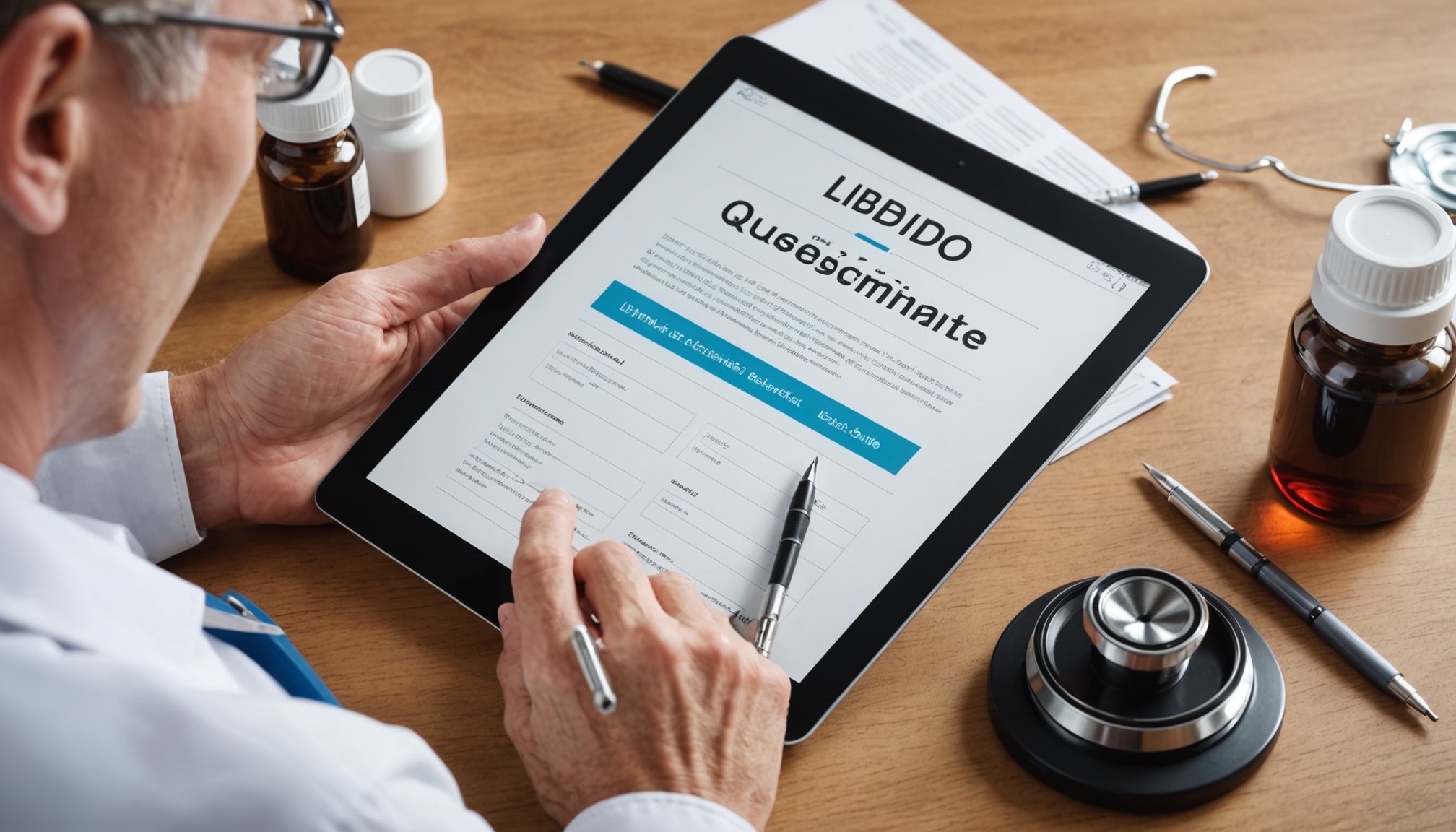
Libido supplements
Important disclaimer: This self-check questionnaire is for educational purposes only. It does not diagnose medical conditions or replace professional care. If you’re unsure about your symptoms, if they persist, or if they affect your well‑being or relationships, please consult a qualified healthcare professional.
Questionnaire
Use this checklist to reflect on factors that may influence interest in libido supplements. Check any items that apply to you over the past 4–12 weeks.
- I’ve noticed a persistent decrease in sexual desire compared with my usual level.
- Low desire has lasted longer than one month.
- Stress, burnout, or poor sleep seem to coincide with the change.
- I recently started or changed medications (e.g., antidepressants, blood pressure meds).
- I feel fatigued most days or lack energy.
- Mood changes (low mood, anxiety, irritability) are present.
- My diet has been inconsistent, restrictive, or low in key nutrients.
- I consume alcohol frequently or use nicotine or other substances.
- Physical activity is minimal or irregular.
- Relationship stress or communication issues are affecting intimacy.
- Hormonal life stages may apply (e.g., postpartum, perimenopause, andropause).
- I’m considering over‑the‑counter libido supplements without prior guidance.
- I’ve experienced side effects from supplements in the past.
- I have a chronic condition (e.g., diabetes, thyroid disorders).
- Symptoms fluctuate with specific triggers (workload, travel, illness).
How to interpret answers
Count how many items you checked. This does not indicate a diagnosis—only the level of reason to seek guidance.
- Low reason to seek help (0–4): Occasional or situational changes. Consider lifestyle tuning and monitoring.
- Medium reason to seek help (5–9): Multiple contributing factors. A discussion with a clinician or pharmacist may be useful before trying supplements.
- High reason to seek help (10+): Persistent, multifactorial concerns or medication/health overlaps. Professional evaluation is recommended prior to any supplement use.
Next steps: what to do
- Track patterns: Note sleep, stress, diet, activity, mood, and intimacy for 2–4 weeks.
- Review medications: List current prescriptions and supplements with doses.
- Start with foundations: Sleep hygiene, balanced nutrition, regular movement, and stress management.
- Educate yourself: Learn how common libido supplements work and their evidence limits.
- Choose a specialist: Primary care clinician, gynecologist/urologist, or endocrinologist depending on context.
- Prepare questions: Ask about interactions, evidence, dosing, and timelines.
- Reassess: If trying a supplement with guidance, reassess benefits/side effects at 4–8 weeks.
| Situation | Urgency | Action |
|---|---|---|
| Mild, short‑term dip during stress | Low | Lifestyle adjustments and monitoring |
| Considering supplements with other meds | Medium | Consult clinician or pharmacist first |
| Persistent low desire + health conditions | High | Schedule medical evaluation before supplements |
FAQ
Are libido supplements proven to work?
Evidence varies by ingredient. Some have limited or mixed research; none guarantee results.
How long before noticing changes?
If used under guidance, reassess after 4–8 weeks while monitoring side effects.
Can supplements interact with medications?
Yes. Interactions are possible; always review with a professional.
Are “natural” products always safe?
No. Natural does not equal risk‑free; quality and dosing matter.
Do lifestyle changes matter more than supplements?
Often yes. Sleep, stress, nutrition, and relationships play major roles.
Should everyone avoid supplements?
Not necessarily, but informed, individualized decisions are essential.
Where can I learn more on healthy habits?
Explore our Education resources and Sober Living guides for evidence‑based lifestyle support.
Are there trends or news I should follow?
See our Trends section for updates on research and consumer safety.
Sources
- National Institutes of Health (NIH): Office of Dietary Supplements
- National Center for Complementary and Integrative Health (NCCIH)
- Mayo Clinic
- U.S. Food & Drug Administration (FDA)
